
Voting Rights and the Legacy of Selma: Stride Toward Freedom
Cindy Graunke will present: Voting Rights and the Legacy of Selma: Stride Toward Freedom
Explore the pivotal 1965 Selma to Montgomery marches and their lasting impact on the American civil rights movement. Examine key moments such as Bloody Sunday on the Edmund Pettus Bridge and the passage of the Voting Rights Act of 1965. The presentation will highlight how grassroots activism has shaped federal policy and shifted the nation’s moral compass. Through historical context and reflection, you will gain insight into the struggle for voting equality and the enduring legacy of Selma.
- Key Events:
- “Bloody Sunday” (March 7, 1965):
- Civil rights activists attempted to march from Selma to Montgomery to demand voting rights.
- Marchers were violently attacked by state troopers and local law enforcement on the Edmund Pettus Bridge.
- Subsequent Marches:
- After national outrage, Dr. Martin Luther King Jr. led a second march, then a third triumphant march under federal protection, culminating in Montgomery
- “Bloody Sunday” (March 7, 1965):
- Legacy:
- Voting Rights Act of 1965:
- Signed by President Lyndon B. Johnson, this landmark legislation outlawed discriminatory voting practices and empowered the federal government to enforce voting rights.
- Ongoing Impact:
- Selma remains a symbol of the struggle for voting equality and inspires ongoing advocacy for fair elections and access to the ballot.
- Voting Rights Act of 1965:
- “Stride Toward Freedom”:
- This phrase, also the title of Dr. King’s 1958 autobiography, underscores the long journey of African Americans toward equal rights and full citizenship, reminding us that progress requires persistent effort, courage, and community action.
Related Posts
Chapter Meeting Wednesday, June 10, 2026
The tentative speaker for the June 10 meeting of NARFE Chapter 2265 (Midlothian) is Bernadette Gilmore, Program Coordinator for Chesterfield County Aging & Disability Resources.

Meeting Location Update – Wednesday, May 13
Please note that the Wednesday, May 13 meeting will be held at the same time, but at a new location.
Chapter 2265 Meeting Location Change (New Venue)
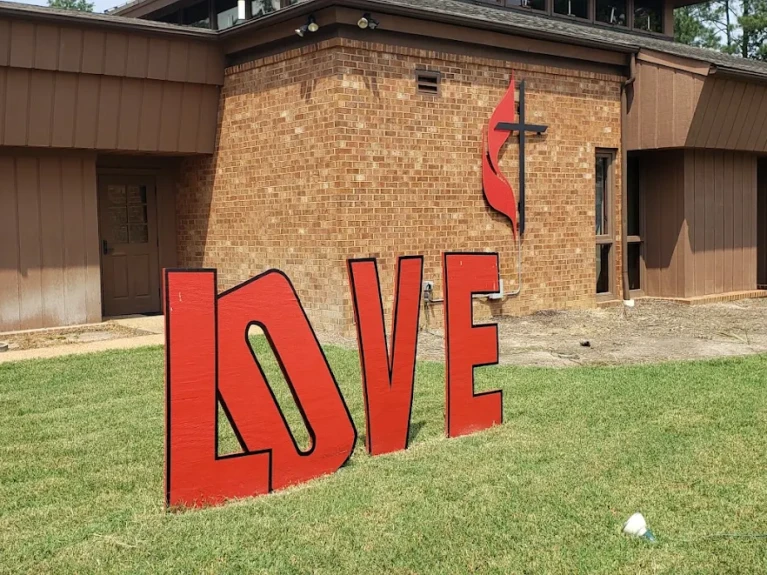
The venue for our upcoming May 13 neeting has changed once again. Please note the May location: Trinity United Methodist Church, 6600 Greenyard Road, Chester, VA