
Don’t Get Caught by Scam Telephone Calls and e-mails!
You can’t stop scammers from existing. But you can make sure they don’t have your information.
DO NOT GIVE OUT ANY PERSONAL INFORMATION TO A CALLER. IF IN DOUBT, DO NOT ANSWER THE CALL! If the call is legitimate, they will leave a message.
NEVER give out your Social Security number, health insurance information, bank information, ANY passwords or account numbers to a caller. If you have reason to think the call is real, hang up and call a phone number you have verified from a trusted source, such as a bank statement, your health insurance card, or the number on the back of your credit card.
KEY TIPS TO AVOID EMAIL SCAMS
- Check the Sender’s Email Address: Always verify the sender’s email address. Scammers often use addresses that look similar to legitimate ones but may contain random numbers or misspellings. Hover over the sender’s name to see the actual email address.
- Be Wary of Impersonal Greetings: Scam emails often use generic greetings like “Dear Customer” instead of your name. If the email lacks personalization, it could be a red flag.
- Look for Red Flags in Links: Before clicking on any links, hover over them to see the actual URL. If the link looks suspicious or does not match the supposed sender’s website, do not click it.
- Avoid Downloading Attachments: Be cautious with attachments in emails, especially if you weren’t expecting them. They may contain malware that can infect your device.
- Keep Your Software Updated: Ensure that your antivirus software and operating system are up to date. This helps protect against malware and other security threats.
- Use Two-Factor Authentication (2FA): Enable 2FA on your important accounts. This adds an extra layer of security, making it harder for scammers to access your accounts even if they have your password.
- Report Suspicious Emails: If you receive a suspicious email, report it to your email provider and, if applicable, to the organization being impersonated. This helps prevent others from falling victim to the same scam.
Related Posts
May is NARFE Membership Month
We are the only organization solely dedicated to the earned rights and well-being of the federal workforce. Your membership and support ensure NARFE continues to be a trusted source of knowledge and a powerful voice on Capitol Hill, in the courts, and in the media.

How to Create a Login.gov Account
These steps apply whether you’re accessing OPM, Social Security, TSA PreCheck/Trusted Traveler Programs, USA Performance, SAM.gov, or any other federal service that uses Login.gov.
The 1099-Rs are in the Mail!
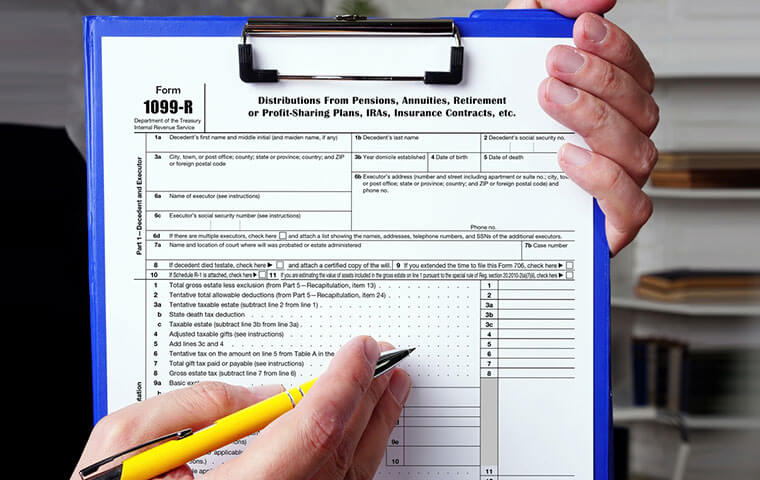
OPM has said that it is mailing out the balance of the paper 2025 1099-R forms that federal retirees want or need to file their taxes, following complaints by many retirees and prodding from several members of Congress.